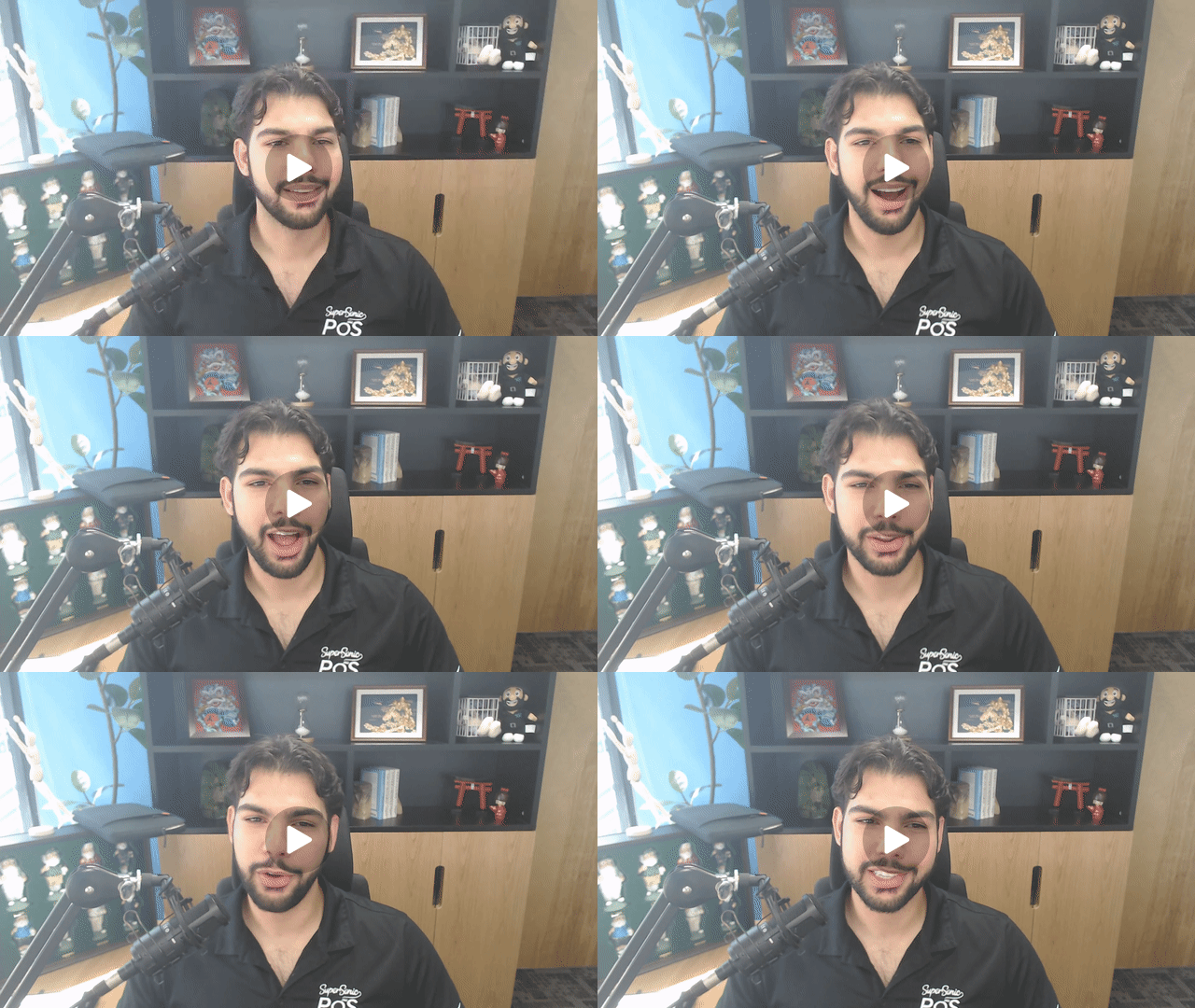
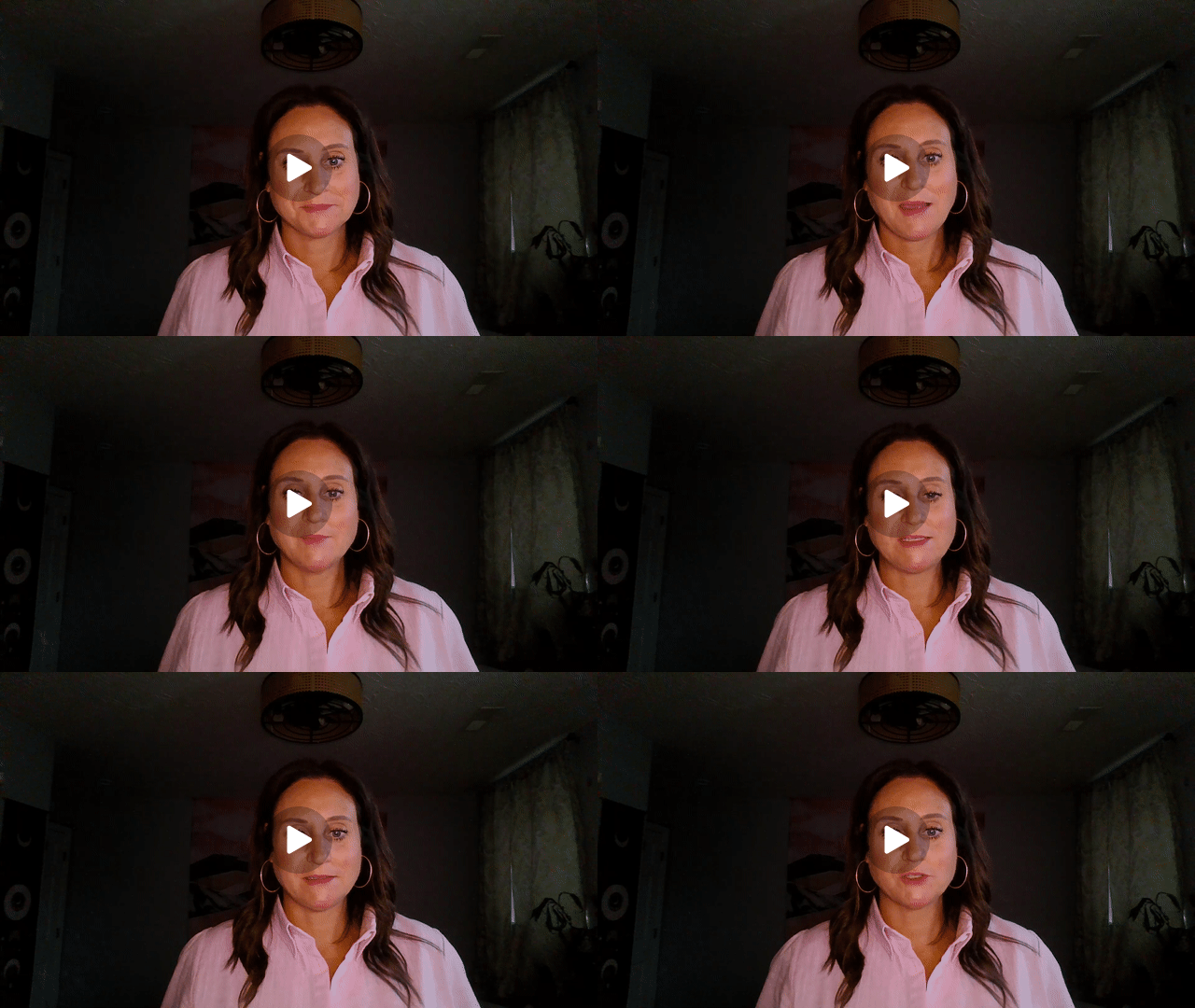
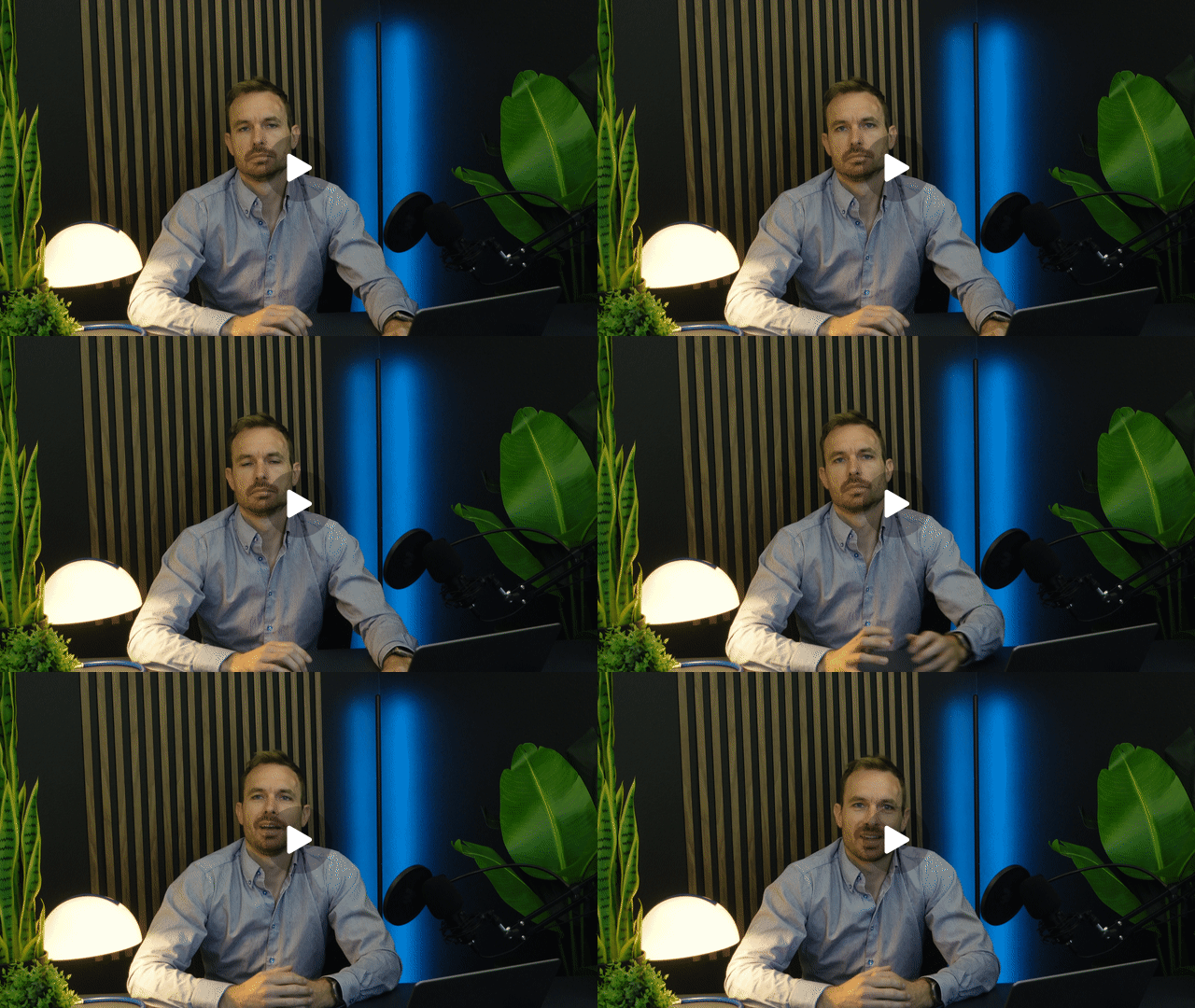
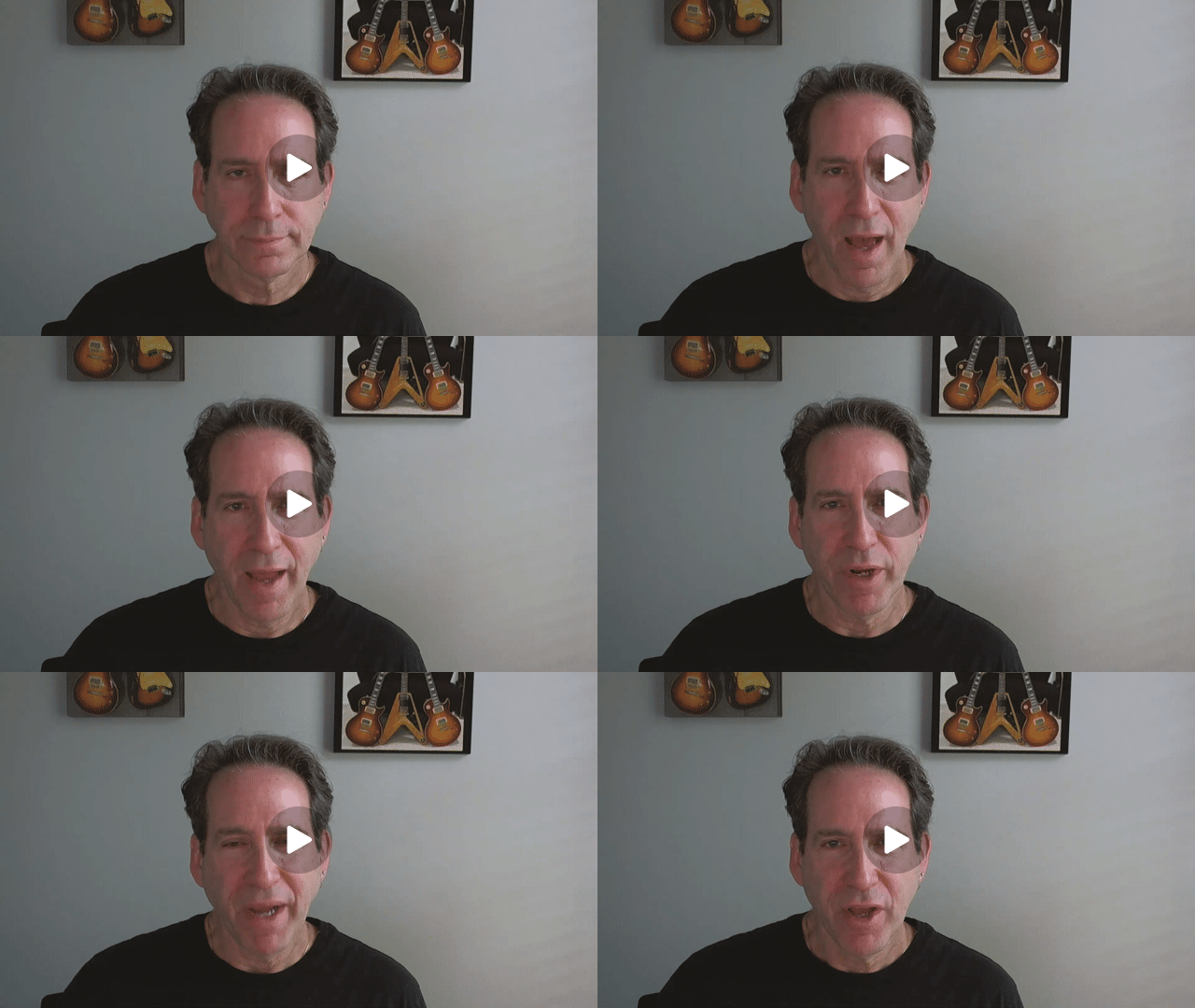
At a recent RSPA Marketing Community meeting, members discussed one of the most valuable – and often most difficult – forms of marketing content to develop: customer testimonials.
The conversation explored common barriers to securing testimonials and case studies, how marketers can make the process easier for customers and partners, where to uncover strong customer feedback, and how to maximize testimonial content once it is created.
Discussion takeaways and insights include:
- Make It as Easy as Possible for the Customer
One of the strongest themes was that customers are often willing to provide a testimonial but simply do not have the time to create one. Rather than asking someone to write a quote or case study from scratch, marketers can conduct a brief conversation, draft the content themselves, and send it back for approval. The easier the creation and approval process, the more likely the customer is to participate. - Start With a Conversation, not a Blank Page
A quick phone call or informal conversation can be more effective than emailing a customer and asking for written feedback. Marketers can capture a few key points during the conversation, turn those comments into a polished quote, and ask the customer to confirm that the final wording accurately reflects their experience. - Use a Simple Framework for Case Studies
Case studies do not have to begin with lengthy interviews or complicated questionnaires. Three basic questions can provide the foundation: What was the problem? What solution was implemented? What were the results? With those answers, marketers can develop the story and then ask the customer to review it for accuracy. - Take Advantage of In-Person Opportunities
Trade shows, conferences, customer visits, and other face-to-face interactions can be valuable opportunities to collect testimonials. A brief video recording can provide enough material for a written case study, video, social posts, photos, and multiple quotes. Having standard testimonial questions prepared also allows marketers to capture unexpected opportunities when they arise. - Look Beyond Formal Testimonial Requests
Strong testimonials may already exist in places marketers routinely interact with customers. Social media posts, event surveys, customer surveys, webinars, community discussions, and other feedback channels can reveal authentic comments that can potentially be turned into testimonials with permission. - Use Data to Strengthen the Story
Specific results can make testimonials and case studies more compelling. Quantitative data points demonstrating improvements in operations, performance, efficiency, or other measurable outcomes provide additional credibility and help audiences quickly understand the value delivered. - Testimonials Don’t Need Every Detail
Some customers and partners may be reluctant to publicly share sensitive, competitive, or operational information. Understanding exactly what they are uncomfortable disclosing can help marketers develop a useful story while respecting those boundaries. In some cases, an anonymized or less-specific example can still communicate the value of the solution. - Turn One Testimonial into Multiple Pieces of Content
A strong customer story should not be limited to a single written case study. One interview or testimonial can become website content, social posts, videos, email content, sales materials, individual quotes, and other assets. Breaking larger pieces of content into smaller components extends their lifespan while reducing the need to continually secure new testimonials.
Overall takeaway: The most effective testimonial strategy is to remove as much work from the customer as possible. By capturing feedback through conversations and existing channels, drafting content for approval, looking for testimonial opportunities in person, and repurposing each customer story across multiple formats, marketers can build a stronger library of authentic customer proof without making participation burdensome.
About RSPA Marketing Community
RSPA Communities are a unique opportunity for members to get involved, share their expertise and help to make the association even stronger. The RSPA Marketing Community meets every 6-8 weeks to discuss RSPA marketing efforts, marketing best practices, and share marketing challenges or tips. If you would like to get involved in the Marketing Community, please email RSPA Sr. Marketing Communications Manager Ayana Scriven at AScriven@GoRSPA.org.